Cultural perspectives on gambling How traditions shape our play The Historical Context of Gambling Gambling has a rich history that spans thousands of years, deeply embedded in the cultural fabric of societies worldwide. From ancient civilizations to modern times, games of chance have been a way for people to socialize, celebrate, and even engage in […]
Cultural perspectives on gambling How traditions shape our play
The Historical Context of Gambling
Gambling has a rich history that spans thousands of years, deeply embedded in the cultural fabric of societies worldwide. From ancient civilizations to modern times, games of chance have been a way for people to socialize, celebrate, and even engage in spiritual practices. In many cultures, gambling was initially tied to religious rituals, where casting lots or throwing dice was seen as a means of communicating with deities or divining the future. This historical context helps us understand why gambling remains a popular pastime today. For those seeking online platforms, https://mafiacasinonz.nz/ offers an array of exciting games.
For example, in ancient China, gambling was often intertwined with the imperial court, where it was practiced during festivals as a form of entertainment. The spread of gambling games like Mahjong across Asia highlights how cultural traditions evolved alongside the games themselves. Similarly, in Europe, the advent of card games in the 14th century marked a significant shift, leading to the development of casinos and structured gambling environments that became a cornerstone of social life.
As gambling evolved, it began to reflect societal norms and values, shaping how individuals interact with these games. In various cultures, gambling is often associated with risk-taking, community bonding, and even economic activity. The historical perspective offers a lens through which we can analyze current attitudes towards gambling, as traditions continue to influence contemporary practices and beliefs surrounding games of chance.
Religious and Cultural Influences
Religious beliefs profoundly impact how different cultures view gambling. In many societies, gambling is considered taboo, often seen as a vice that promotes greed and moral decay. For instance, in some Islamic cultures, gambling is explicitly prohibited, as it contradicts the principles of fairness and responsibility. This cultural stance shapes the perceptions of risk and reward in these communities, steering individuals away from gambling practices.
Conversely, in cultures where gambling is accepted, it is often celebrated as a form of entertainment and community interaction. In certain Native American tribes, gambling has historical significance, being a way to fund community initiatives. Such cultural acceptance helps shape public perception, creating spaces where gambling can thrive as a traditional practice rather than just a recreational activity.
The varying religious and cultural attitudes towards gambling highlight the complex dynamics at play. These influences not only dictate whether gambling is embraced or shunned but also shape the types of games that are played and the contexts in which they occur. Understanding these nuances allows us to appreciate the diverse ways gambling is integrated into cultural identities across the globe.
Modern Gambling and Tradition
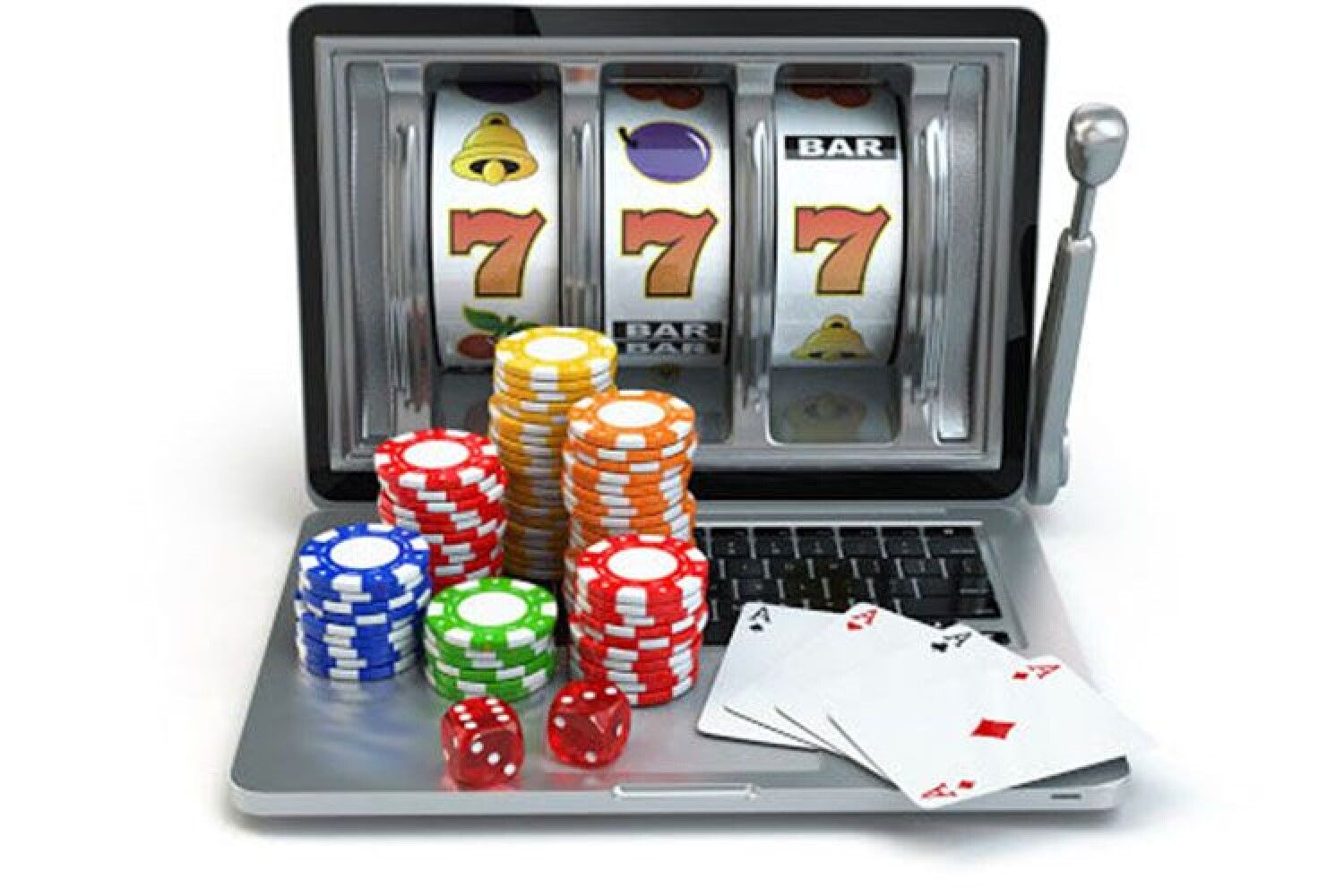
In the contemporary landscape, traditional forms of gambling are experiencing a renaissance as they merge with modern technology. Online platforms have revolutionized how people engage with games of chance, making them more accessible to a global audience. This shift raises interesting questions about the preservation of traditional practices and the impact of globalization on local gambling customs.
As people turn to online casinos and gaming apps, traditional games like poker or roulette have found new audiences. However, the essence of these games often remains intact, as they continue to reflect the cultures from which they originate. The blending of traditional and modern gaming experiences speaks to the adaptability of gambling as a cultural practice, where long-standing traditions are embraced in innovative ways while still honoring their roots.
Moreover, cultural festivals often incorporate gambling elements, highlighting its role in community bonding. Events like fairs or cultural celebrations may feature games of chance that allow participants to engage with their heritage in a fun and dynamic setting. This interplay between tradition and modernity showcases how gambling continues to evolve while remaining a vital part of cultural expression.
Psychological Perspectives on Gambling
The psychological dimensions of gambling reveal how cultural factors influence individual behavior and decision-making. Understanding the odds and probabilities involved in gambling can often lead to a sense of empowerment; however, cultural narratives can also create a skewed perception of luck and skill. For example, in cultures that celebrate luck as a central theme, individuals may be more inclined to believe in fate rather than informed decision-making.
This belief system can lead to varying gambling behaviors. In cultures that emphasize strategy and skill, players may approach gambling with calculated risk-taking, analyzing odds to maximize their chances of winning. On the other hand, in cultures where luck plays a significant role, players might engage in more impulsive gambling, often disregarding the mathematical probabilities involved in different games.
The psychological factors at play also encompass notions of community and identity. For many, gambling serves as a social activity, fostering relationships and group dynamics. This aspect is particularly pronounced in cultures where collective participation in games strengthens social bonds. Understanding these psychological dimensions enables us to appreciate how gambling shapes personal and cultural identities across diverse societies.
Mafia Casino: A Modern Gaming Destination
Mafia Casino stands as a premier online gaming platform that caters to the diverse needs of modern gamblers. It offers a range of traditional and contemporary games, bridging the gap between classic gambling experiences and the conveniences of modern technology. With an extensive selection of slots, live games, and engaging promotions, Mafia Casino is designed to provide users with an exhilarating gaming experience that is both entertaining and rewarding.
The platform also reflects the cultural significance of gambling by incorporating popular games that resonate with players worldwide. Whether you’re a fan of traditional slots or prefer the excitement of live dealer games, Mafia Casino has something for everyone. The site’s commitment to delivering a seamless user experience, along with its generous welcome bonuses and loyalty rewards, makes it a top choice for both novice and seasoned players.
As gambling continues to evolve, platforms like Mafia Casino exemplify how tradition and innovation can coexist. By offering a user-friendly environment that respects the cultural roots of gambling while embracing modern technology, Mafia Casino not only attracts players but also contributes to the ongoing conversation about the cultural perspectives on gambling.


Leave a Reply